How to Open Your First Current Account in Essex: A Step-by-Step Guide
Your first current account is where your wages land, your rent leaves from, and your Direct Debits quietly do their work in the background. Getting one sorted early makes everything else easier — a tenancy, a phone contract, a part-time job in Chelmsford or Colchester that only pays by bank transfer. The good news is that opening one is rarely complicated. It is mostly about picking the right account and turning up with the right paperwork.
Start with what you need the account to do
Before you compare anything, write down how you will actually use it. If you are a student in Southend, fee-free spending abroad and a modest interest-free overdraft might matter more than a branch on your high street. If you run a market stall or do occasional freelance work, faster payments and a decent app may matter more than anything else.
Most everyday current accounts include a debit card, online and app banking, Direct Debits and standing orders, and free day-to-day transactions. Beyond that, the differences tend to be monthly fees, overdraft charges, cash deposit limits and how good the mobile app is. A free account is usually the sensible starting point. You can always upgrade later once you know what you need.
High street, online, or a bit of both
Essex still has a reasonable spread of branches in towns like Chelmsford, Colchester, Basildon, Harlow and Southend, plus building societies and credit unions that serve specific areas. Branch access is genuinely useful when you need to pay in a cheque, sort out a frozen card, or prove your identity in person with documents you would rather not post.
Online-only banks, meanwhile, often open accounts within minutes and tend to have sharper apps. The trade-off is that you cannot walk in and speak to someone, and paying in cash is sometimes harder.
A third option many people overlook is a local credit union, which can be a good fit if you have a thin credit history or want to borrow from the same place you save. Whatever you choose, check that your money is protected under the Financial Services Compensation Scheme, which covers eligible deposits if a bank fails.
The paperwork: ID and proof of address
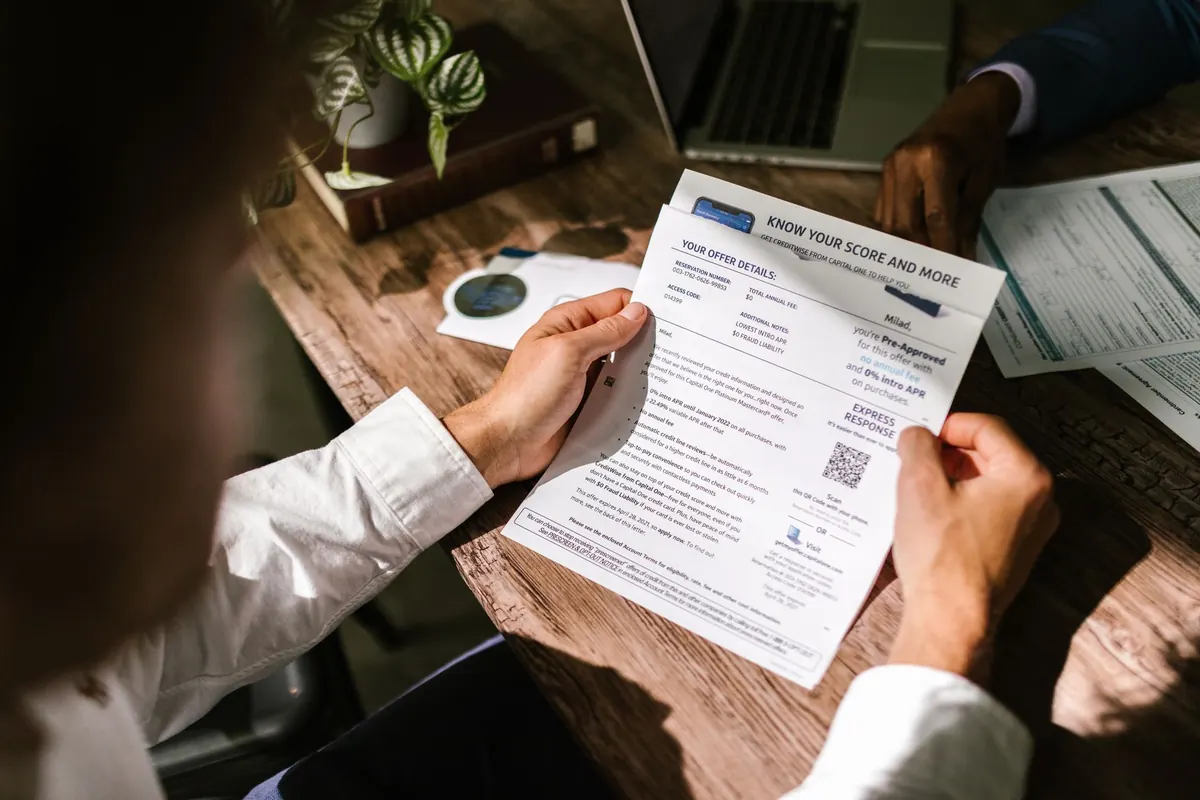
This is the part that trips people up. Banks must verify two things: who you are, and where you live. Applying online usually means photographing documents or letting the bank check your details electronically against records such as the electoral roll. In branch, you will hand over originals.
For proof of identity, banks in Essex commonly accept:
- A valid UK or Irish passport
- A full UK driving licence (photocard, and the counterpart where required)
- A national identity card or biometric residence permit
- A birth certificate, sometimes combined with another document
For proof of address, expect to provide something recent — usually dated within the last three months:
- A utility bill for gas, electricity or water
- A council tax bill or letter from your local council
- A tenancy agreement or mortgage statement
- A bank or credit card statement from another provider
- An HMRC or DWP letter
Two things matter more than the exact document. First, the name must match your ID exactly — a middle name missing on a bill can cause a delay. Second, the address must be your current one. Mobile phone bills are often not accepted as proof of address, and printed-at-home statements are accepted by some banks and not others, so check the bank's own list before you set off.
If nothing is in your name because you live with parents or a partner, do not panic. Ask the bank what alternatives they accept; a council tax letter, a tenancy agreement, or a letter from the person you live with alongside their own bill are common solutions. It varies, so a phone call saves a wasted trip.
Opening the account, step by step
- Shortlist two or three accounts. Read the fee schedule, not just the headline.
- Check the eligibility rules. Some accounts require a minimum monthly deposit, a UK address, or a minimum age of 18.
- Apply online or book a branch appointment. If your documents are unusual, a branch visit is usually faster overall.
- Answer the identity questions honestly. Expect questions about your employment, income and how you will use the account.
- Wait for approval. Online decisions can take minutes; applications needing manual checks can take several working days.
- Activate your card and set up the app. Do this the day it arrives, before you need it in a shop queue.
- Move your money in. Give your employer or payroll the account number and sort code, and move any Direct Debits across.
If you are new to the UK, a student, or your credit file is thin
Banks look at your credit history when deciding what to offer, and a short UK history can mean a basic account rather than a full one. A basic bank account still gives you a debit card and Direct Debits — it simply comes without an overdraft. That is often all you need to start building a record.
Students usually get the best terms with a student account, which typically requires proof of a university or college place. If you have arrived from abroad, your passport, visa or residence permit and a tenancy agreement or university letter are the usual combination. Register on the electoral roll at your new address as soon as you can; it helps with applications long after the first one.
Small print worth reading before you sign
Check whether there is a monthly fee and what it actually buys. Look at the overdraft rate — arranged and unarranged — and the daily cap on charges. Note any fees for using your card abroad, and limits on cash deposits or withdrawals if you deal in cash. Finally, ask about the Current Account Switch Service if you are moving from another bank: it moves your balance and Direct Debits within a set timescale and comes with a guarantee if something goes wrong.
If you are weighing up a paid account, or you are already behind on overdraft charges, free and impartial guidance is available from Citizens Advice and MoneyHelper. It costs nothing and is often quicker than guessing.
Your first week with a new account
Set up the app and turn on notifications, so you see card payments as they happen. Move your salary across, then shift your Direct Debits one at a time and check each has gone through. Keep a small buffer in the account for the first month, since the timing of Direct Debits and card payments can catch you out. Change your details with your employer, your landlord, HMRC and anyone who bills you. Then, once things settle, put a small standing order into a savings account — even £20 a month builds the habit.
Open the account, keep the paperwork tidy, and the rest gets much simpler. If your circumstances are unusual — you are newly arrived, self-employed, or you have had banking problems before — speak to the bank or a free advice service before applying, so you apply once, to the right place.
Photo: Matheus Natan / Pexels
You Might Also Like
The scams hitting Essex bank accounts, from fake fraud-team calls to parcel texts, plus simple habits that keep your money and details safe.
A practical guide for Essex households on sizing an emergency fund, layering it for quick access, and choosing an account that pays without locking your money away.